
Jetzt entdecken
Neues aus dem
Schwarzwald
Die Ferienregion Schwarzwald erstreckt sich über insgesamt 11.100 Quadratkilometer im Südwesten Deutschlands. Das größte Mittelgebirge Deutschlands steht für unterschiedliche Naturlandschaften wie langgezogene Waldberge im Norden, breite Wiesentäler im mittleren Schwarzwald und den mit baumfreien Bergkuppen auf 1493 Meter aufsteigenden südlichen Schwarzwald. Einzigartigkeit, Ursprünglichkeit und der hohe Erlebniswert zeichnen diese Ferienregion aus. Erfahren Sie hier, was gerade im Schwarzwald geboten wird.
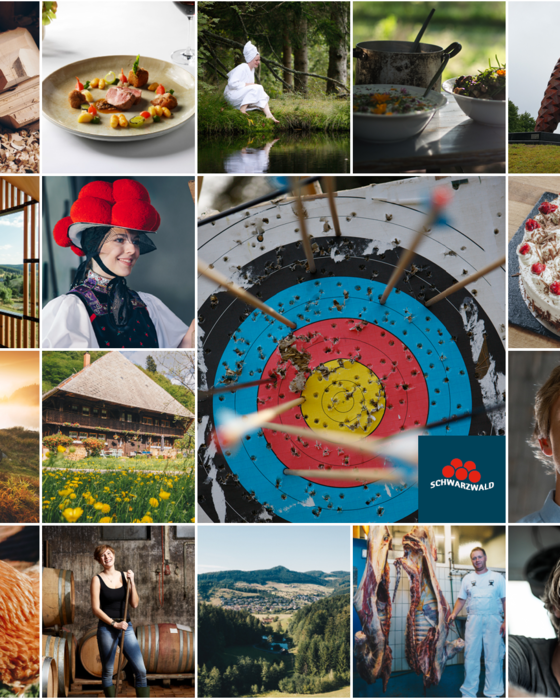

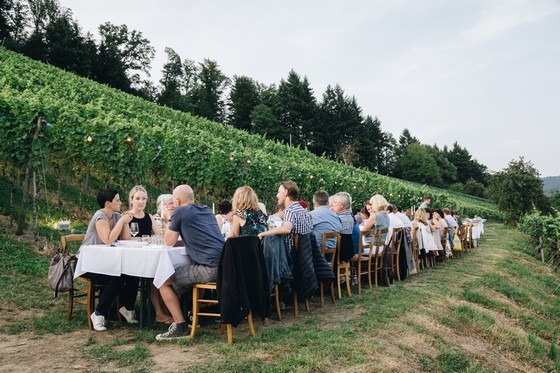

Schwarzwald erleben
Für jeden etwas dabei
So facettenreich die Naturlandschaften, so unterschiedlich und schier unbegrenzt sind die Möglichkeiten, Ihren Schwarzwaldurlaub zu gestalten. Lassen Sie sich inspirieren.
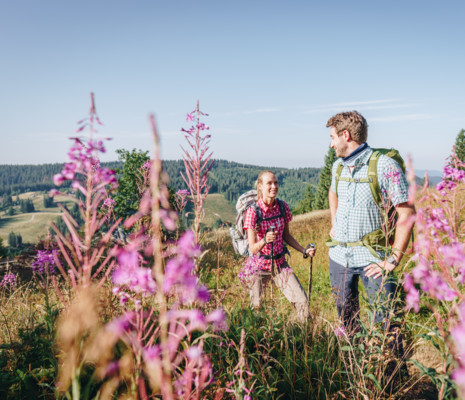


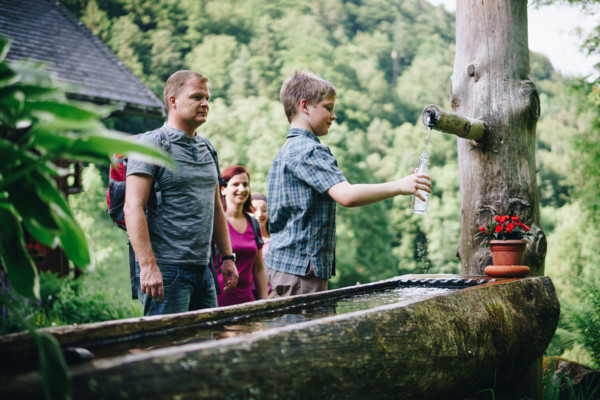
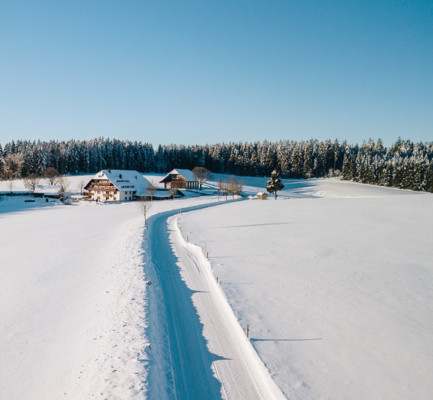
Alles hat seine Zeit und will erlebt sein. Kommen Sie mit zu jeder Jahreszeit.

Der frühe Vogel ...
Urlaubsplanung
Ihre Urlaubstage sind eingereicht, die Schulferien der Kinder im Kalender eingetragen? Dann steht Ihrer Urlaubsplanung ja nichts mehr im Wege. Inspiration gefällig? Hier haben wir einige Tipps für Ausflugsziele zusammengestellt:

© Thomas Coch
Schwarzwald
Offenburg - Freudenstadt
Lenzkirch
Schwarzwald
Weinradweg
Emmendingen
Triberg
Triberg
Oppenau
Kehl
an verschiedenen Orten

© DZT / Jens Wegener
Karlsruhe
Hirschgrund
Lenzkirch Kappel
Waldkirch
Löffingen
Feldberg
Haslach
Oberried
Grafenhausen - Rothaus

© Karcher / STG
Genuss für alle Sinne
Genuss in den Besenwirtschaften
Schwarzwald
Abschalten und verwöhnen lassen
Unsere Rezept-Tipps
Baden-Baden
an verschiedenen Orten
die spektakuläre VR-Reise des Europa Park

© Klaus Hansen
Wolfach
Schramberg
Titisee - Neustadt
Pforzheim
überall im Schwarzwald
Baiersbronn
an verschiedenen Orten

Schwarzwald
Urlaub buchen
Sie planen eine Reise in die Ferienregion Schwarzwald und benötigen noch eine Unterkunft?
Finden Sie hier Ihre Traumunterkunft im Schwarzwald!
Unsere Gastgebertipps
Unterkunft finden
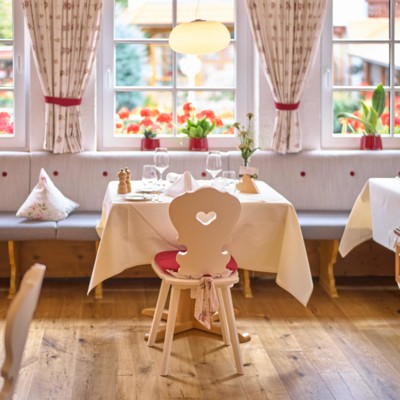
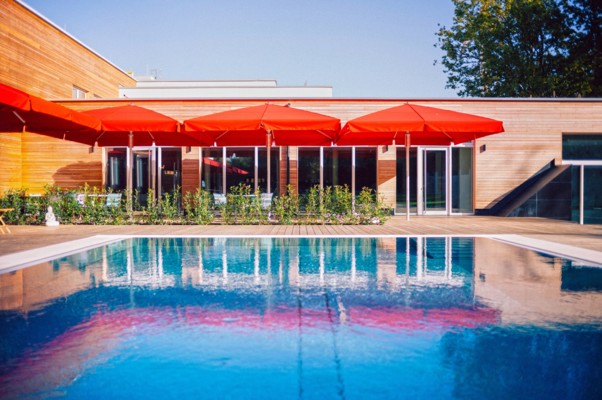
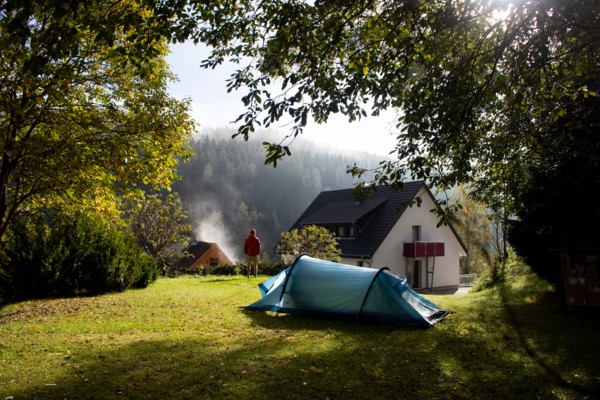
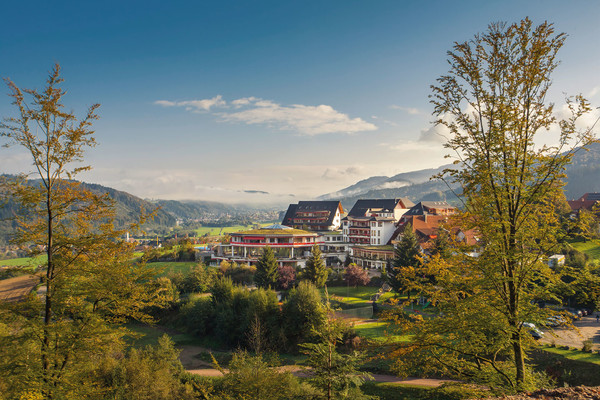
5 Sterne Hotels mit allen Annehmlichkeiten, urtypische Schwarzwaldhöfe mit besonderem Charme oder Übernachten unterm Sternenhimmel? Stöbern Sie in unseren Tipps.


Unsere Reisetipps
Buchbare Angebote
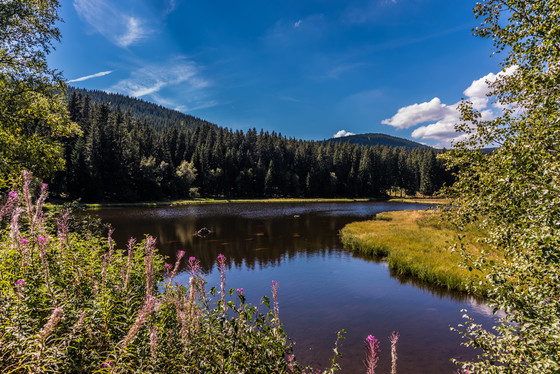
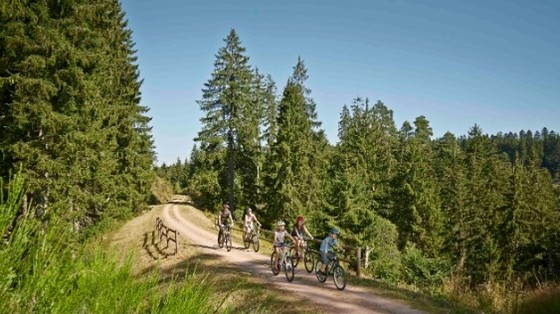
Die Ferienregion Schwarzwald ist mit 11.100 Quadratkilometern eine der größten Deutschlands. Es ist fast unmöglich, jeden Winkel und jeden Ort zu entdecken. Erleben Sie die Highlights des Schwarzwalds mit einem buchbaren Angebot. Für weitere Infos beachten Sie bitte die aktuellen Hinweise von unserem offiziellen Partner "Original Landreisen".
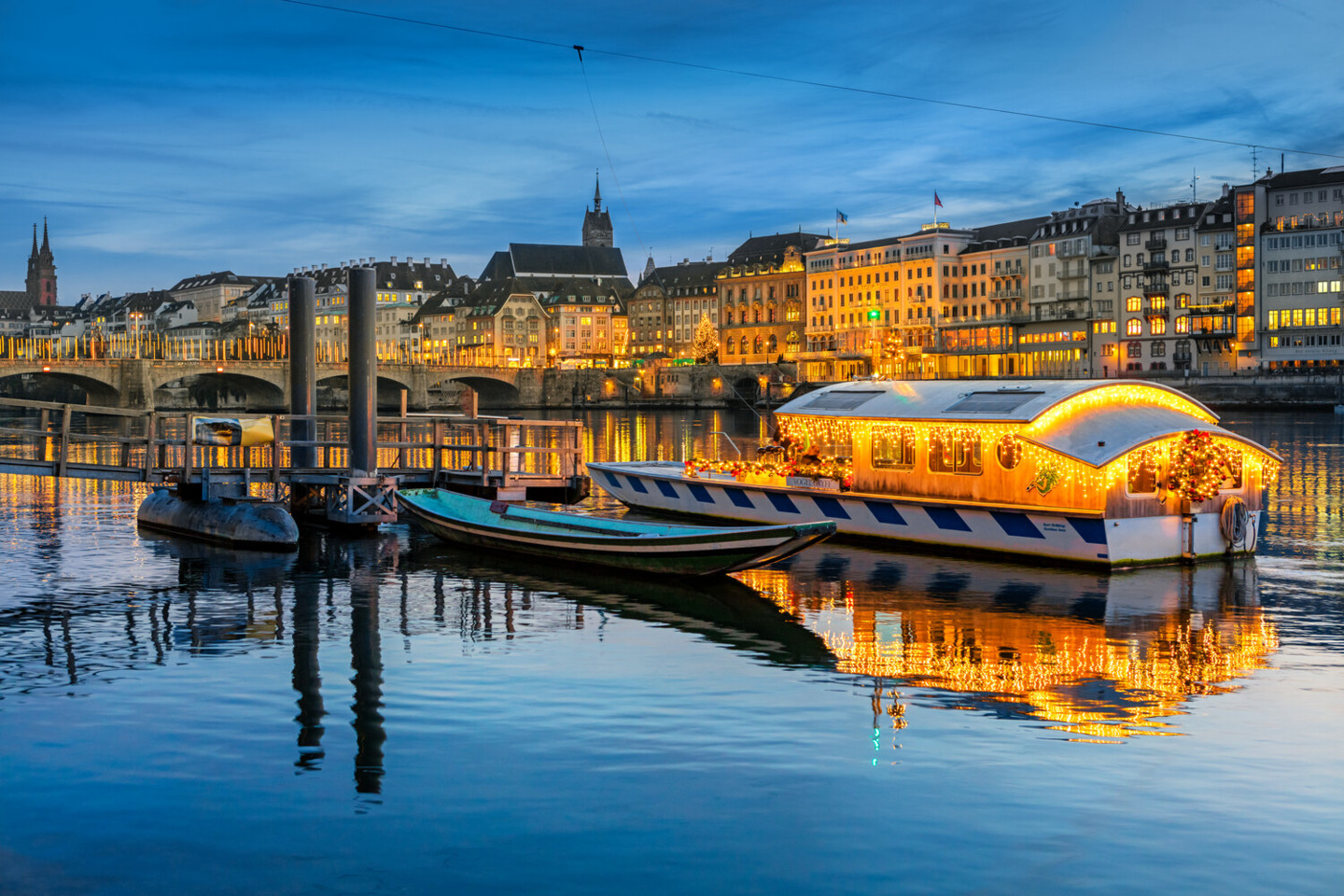

Das Radio der Ferienregion
Mit Schwarzwaldradio hat die Ferienregion Schwarzwald Ihre ganz eigene Stimme. Jetzt reinhören!
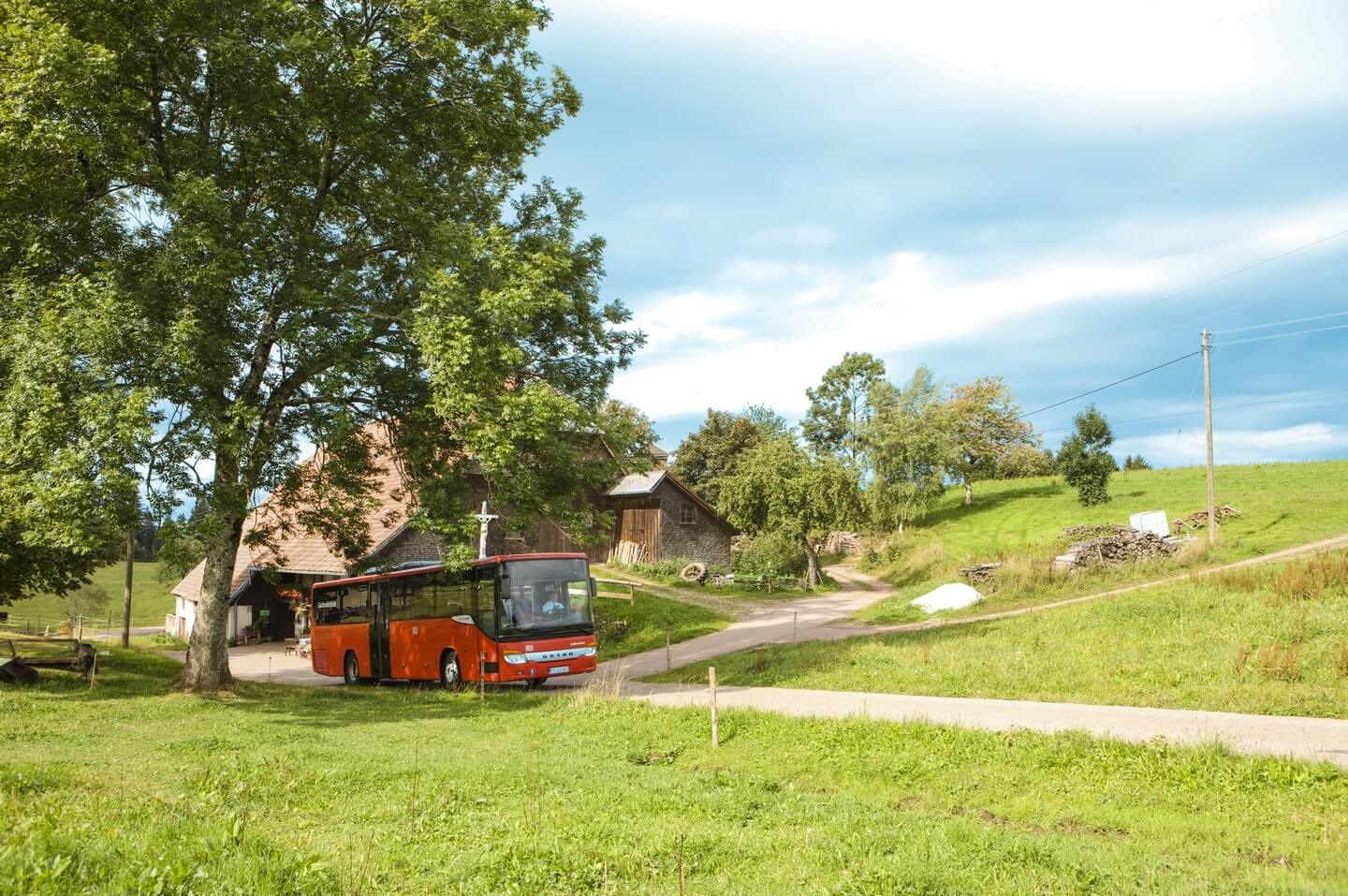

Die KONUS Gästekarte bringt Sie mit Bus & Bahn kostenlos durch den Schwarzwald - und zwar von Pforzheim bis Basel und von Karlsruhe bis Waldshut. Die KONUS Schwarzwald-Gästekarte erhalten Sie in rund 150 Schwarzwälder Ferienorten mit Anmeldung bei Ihrem Gastgeber.
KONUS-Vorteile© Mesenholl/Quint
{{=it.label.text}}
{{=it.label.author}}